Smart Luggage: Understanding Battery Rules and Compliance
A comprehensive look at FAA, EASA, and IATA guidelines regarding lithium-ion batteries integrated into modern luggage.
The Rise and Regulation of Smart Luggage
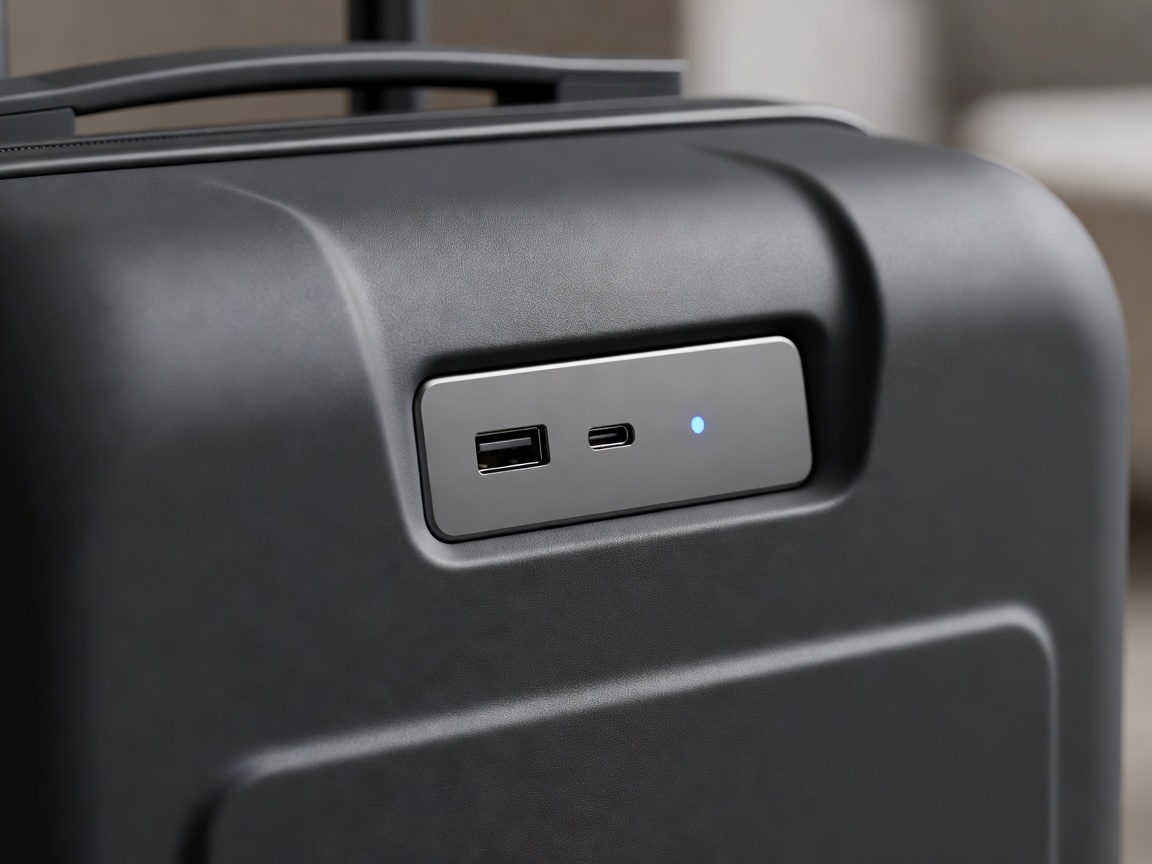
In the mid-2010s, luggage underwent a technological revolution. Suitcases began hitting the market equipped with integrated GPS trackers, electronic locks, built-in digital scales, and massive lithium-ion power banks capable of charging laptops and phones directly from the bag's exterior. These "smart bags" were immensely popular with business travelers, promising an end to desperately hunting for wall outlets at crowded terminal gates.
However, the aviation industry quickly identified a severe safety risk. Lithium-ion batteries have a known propensity for thermal runaway—a chain reaction causing intense fires that are incredibly difficult to extinguish. While a battery fire in the cabin can be identified and neutralized by flight attendants using specialized containment bags, a fire in the inaccessible cargo hold poses a catastrophic threat to the aircraft.
The Global Battery Ban
Reacting to this threat, major global aviation bodies, including the Federal Aviation Administration (FAA) in the United States and the European Union Aviation Safety Agency (EASA), alongside guidelines from IATA (International Air Transport Association), instituted strict bans on certain types of smart luggage.
The core rule is simple but uncompromising: Any luggage containing a lithium-ion power bank must have a battery that is completely removable. Bags with non-removable power sources are strictly prohibited from flying, both as checked baggage and as carry-on luggage.
How to Travel with Compliant Smart Bags
Luggage manufacturers quickly adapted to these regulations. Today, almost all smart bags sold feature compliant, removable battery systems. The battery sits in an easily accessible external or internal pocket and connects via a simple USB cable to the bag's exterior ports.
If you travel with a compliant smart bag, you must adhere to the following procedural rules at the airport:
- If you bring the bag in the cabin: You may leave the battery installed in the bag for the duration of the flight. The battery remains accessible in the cabin, satisfying safety requirements.
- If you are forced to gate-check the bag: This is the critical moment. If the overhead bins are full and the gate agent insists your bag goes in the cargo hold, you must immediately remove the battery from the suitcase and carry the battery with you into the cabin. A gate-checked bag with a battery inside is a severe violation of safety protocols.
- Capacity limits: The battery itself must adhere to standard power bank limits, generally staying under 100 Watt-hours (Wh). Batteries between 100Wh and 160Wh may require special airline approval, and those over 160Wh are universally banned from passenger aircraft.
Alternative Tech Solutions
Many travelers find the anxiety of potentially forgetting to remove their battery at the gate not worth the convenience of built-in ports. As a result, there has been a significant shift toward "dumb" luggage paired with high-capacity, standalone portable power banks.
Standalone power banks are highly regulated but fully permitted in carry-on baggage. They offer the exact same charging capabilities without tying you to a specific suitcase. Furthermore, electronic accessories like Bluetooth trackers (e.g., Apple AirTags) use low-power coin cell batteries (CR2032). Because these do not utilize large lithium-ion cells and pose virtually zero fire risk, they are fully permitted by the FAA and EASA to remain active inside both carry-on and checked luggage.
Final Checklist for Smart Luggage Owners
Before heading to the airport, verify the wattage of your removable battery. Ensure the ejection mechanism for the battery is functioning smoothly. Most importantly, mentally prepare to extract that battery at a moment's notice should a gate agent tag your bag for the cargo hold. Staying informed guarantees your smart tech remains an asset rather than a liability at the boarding gate.