Essential Packing Strategies for Standard Carry-ons
Techniques to maximize space, prevent wrinkles, and fit a week's worth of clothing into a 20-inch case.
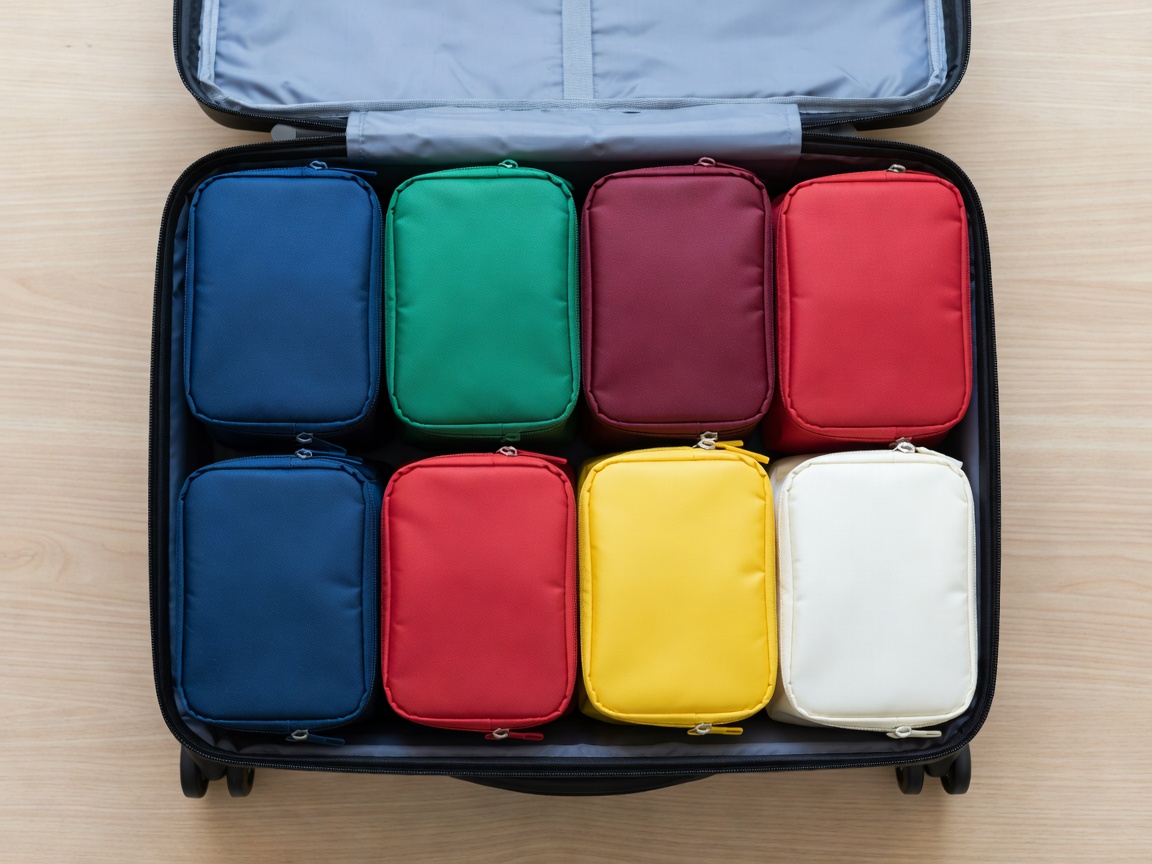
Mastering the 40-Liter Limit
The standard domestic carry-on limits you to roughly 40 liters of internal volume. If you pack haphazardly, this space fills up incredibly fast, leaving you frustrated and tempted to check a larger bag. However, with the right packing strategies, 40 liters is more than enough space for a week-long business trip or a two-week minimalist vacation. The secret lies not in packing less, but in packing smarter through careful organization and spatial optimization.
The Foundation: Rolling vs. Folding
The debate between rolling clothes and folding them is a classic traveler's dilemma. Standard folding (like you would see in a retail clothing store) is actually the least space-efficient method for luggage. Folded clothes trap air, create uneven stacks that waste corner space, and are prone to deep creasing from the weight of items above them.
Rolling clothes tightly is universally recognized as superior for space-saving. T-shirts, jeans, casual dresses, and knitwear can be rolled into compact cylinders that act like building blocks. These cylinders can be wedged into the structural gaps of your suitcase (such as the spaces between the handle rails in the bottom of the bag). Rolling also eliminates hard creases, resulting in fewer noticeable wrinkles upon arrival.
For structured items like dress shirts, blazers, or formal trousers, a hybrid approach called "bundle packing" works best. This involves laying out your most wrinkle-prone items flat across the bottom of the suitcase with the edges hanging over the sides. You then build a core of softer, rolled items in the center, and fold the structured garments around that soft core. This prevents harsh folds and minimizes wrinkles.
The Power of Packing Cubes
Packing cubes have revolutionized luggage organization. These lightweight fabric containers allow you to compartmentalize your belongings into distinct blocks. The benefits are numerous:
- Compression: Many modern packing cubes feature a secondary compression zipper that squeezes out excess air, reducing the volume of clothing by up to 30%. This is particularly effective for bulky items like sweaters or fleece jackets.
- Organization: You can dedicate specific cubes to pants, shirts, and underwear, or pack them by day/outfit. When you arrive at your destination, you can simply move the cubes directly into hotel drawers without unpacking.
- Security Screening: If airport security needs to inspect your bag, packing cubes keep your private items contained, preventing your folded clothes from being disturbed and scattered.
Filling the Voids
Maximizing carry-on space requires eliminating empty air. Shoes are notorious space hogs, but their interiors represent valuable, protected storage volume. Stuff socks, rolled belts, travel adapters, or fragile electronics deep into the toes of your shoes before packing them. Always place shoes at the bottom of the bag near the wheels to keep the center of gravity low and prevent the suitcase from tipping over.
The Capsule Wardrobe Approach
The most effective packing strategy is ultimately packing the right items. Adopting a "capsule wardrobe" approach means selecting clothing in coordinating color palettes (e.g., navy, grey, black, and white). Every top should match every bottom. This allows you to create ten different outfits out of just three shirts and two pairs of pants. Favor lightweight, synthetic blends or merino wool over heavy denim or thick cotton; these materials pack smaller, resist wrinkles, and can be easily hand-washed in a hotel sink and dried overnight.