Choosing Between Hardside and Softside Carry-on Bags
Understanding the structural differences, materials, and long-term durability of different luggage shells.
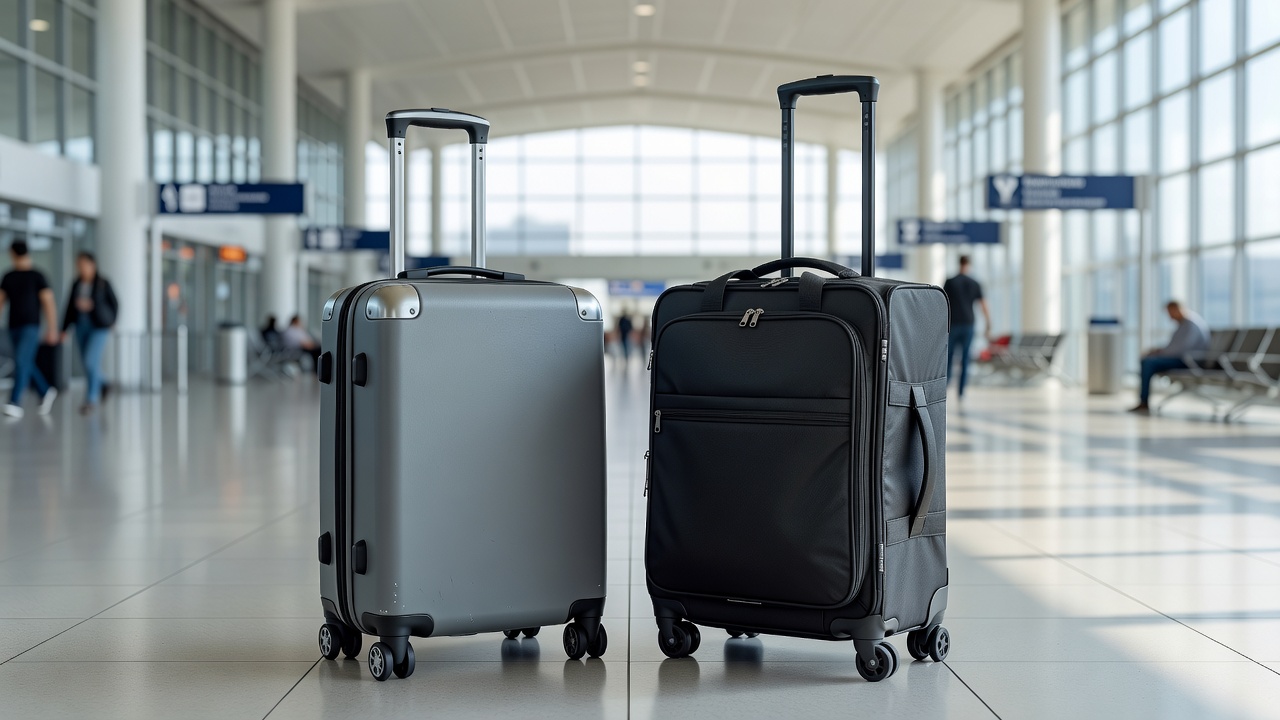
The Great Luggage Divide
When selecting a primary carry-on, travelers inevitably face the foundational question of luggage design: hardside or softside? For decades, fabric suitcases dominated the airport landscape. However, advancements in plastics and composites have made rigid luggage lighter, more durable, and highly accessible, leading to a massive shift in consumer preference. Understanding the inherent strengths and weaknesses of each type is crucial to optimizing your packing strategy and ensuring your bag survives the rigors of frequent air travel.
Hardshell Materials: Polycarbonate vs. ABS vs. Aluminum
Not all hardside cases are created equal. The material dictates both the price point and the lifespan of the bag. Generally, rigid luggage falls into three primary material categories:
- ABS (Acrylonitrile Butadiene Styrene): The most affordable option. ABS is lightweight but rigid, making it highly susceptible to cracking under impact. It is commonly found in budget luggage sets.
- Polycarbonate: The current industry standard for high-quality consumer luggage. Polycarbonate is incredibly resilient because it flexes upon impact rather than shattering. A dented polycarbonate bag can often be popped back into shape.
- Aluminum: The premium choice. Aluminum cases are virtually indestructible and offer exceptional security via latch-lock systems rather than zippers. However, they are significantly heavier and prone to visible denting and scratching—which many travelers embrace as a "patina" of travel.
The primary advantage of hardside luggage is superior protection. Fragile items, electronics, and souvenirs are much safer enclosed in a solid shell. Additionally, hardside luggage lacks exterior pockets, which forces a sleeker profile that is less likely to get caught in overhead bin tracks or conveyor belts. They are also entirely waterproof against rain and spills, easily wiped clean with a damp cloth.
Softside Luggage: The Power of Flexibility
Despite the visual appeal of modern hardshells, softside luggage remains the preferred choice for a vast number of road warriors and flight crews. Soft cases are typically constructed from woven nylon fabrics, specifically ballistic nylon or Cordura, measured in deniers. High-denier nylon (such as 1050D or 1680D) offers incredible resistance to tearing and abrasion.
The distinct advantages of softside bags include:
- Expandability and Give: Fabric stretches and compresses. If you tend to return from trips with more than you left with, a soft bag allows you to stuff that extra jacket or pair of shoes into the main compartment. It can also be squashed into tight overhead bins or trunk spaces where a rigid case would simply refuse to fit.
- Exterior Pockets: Most soft bags feature quick-access front pockets. This is invaluable for storing boarding passes, a book, or a tablet, preventing you from having to open your entire suitcase in the middle of a crowded terminal.
- Durability of Wear: While softside bags can scuff or stain, they do not crack. A high-quality ballistic nylon bag can survive drops and impacts that would obliterate a cheap ABS hardshell.
The Clamshell vs. Top-Lid Packing Experience
Beyond materials, the structure dictates how you actually pack the bag. Hardside luggage almost universally utilizes a "clamshell" design, splitting open in the exact middle into two equal halves. This requires double the floor or bed space to open fully and demands that you pack both sides meticulously, often using zippered dividers to keep items from spilling out when closing the case.
Conversely, softside luggage traditionally uses a top-lid opening, meaning the main compartment is a single deep bucket. This allows you to pack all your items into one cohesive space and requires significantly less room to open—a massive benefit in tiny hotel rooms or cruise ship cabins.
Making the Choice
Choosing between hardside and softside ultimately comes down to your travel habits. If you frequently travel with delicate items, prefer a minimalist aesthetic, and want an easy-to-clean exterior, a polycarbonate hardshell is ideal. If you value exterior organization, require the flexibility to cram your bag into tight spaces, and prefer a deep single-packing compartment, heavy-duty softside luggage will serve you best.